
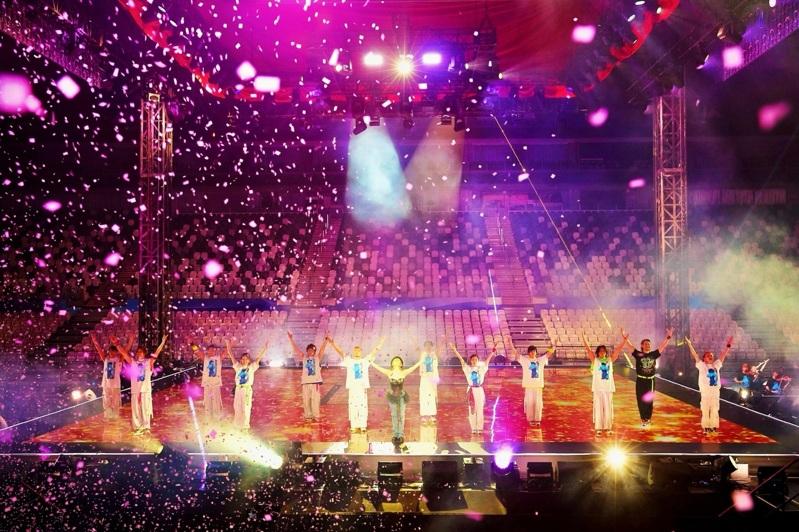
In the past week, CCP gave the world two stark reminders of how dangerous unchecked administrative power can be:
a fireworks shop owner in Hunan, driven to suicide after officials suddenly blocked his legal business, and a Japanese superstar in Shanghai forced to perform to 14,000 empty seats after her fully approved concert was abruptly canceled for political reasons.
The details differ, but the underlying problem is identical: rules in China are conditional, unstable, and subject to the mood or political objectives of those in power.
Local governments can shut down a legitimate business overnight without evidence, explanation, or compensation—destroying a man’s livelihood and pushing him into despair.
Central authorities can revoke an approved international concert at the last minute because of unrelated geopolitical posturing—leaving huge financial losses to private companies and embarrassing the country globally.
This pattern is not accidental; it is systemic.
Licenses don’t guarantee protection. Contracts don’t guarantee execution. Approval today can be reversed tomorrow with no accountability.
And this has consequences.
It kills ordinary entrepreneurs who bet their lives on legal business.
It sabotages cultural exchange and commercial stability.
It scares off international partners who realize China’s promises can be nullified at any moment.
It erodes the country’s credibility far more than any foreign criticism ever could.
A government that constantly changes rules for convenience or political theater cannot expect trust—from its own citizens or from the world.
Until CCP restrains arbitrary power and respects its own commitments, tragedies and farces like these will keep repeating—at enormous human and economic cost.
Leave a Reply