
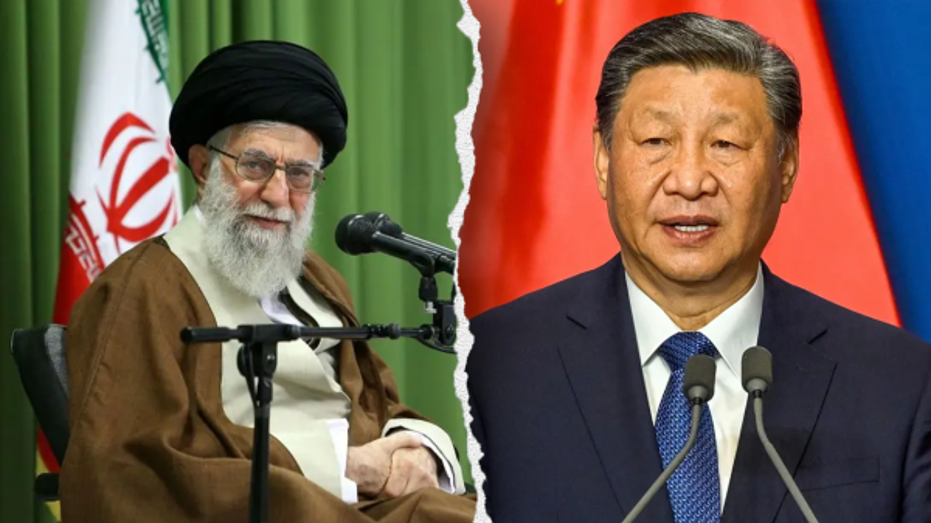
After the United States launched military strikes against Iran in 2026, China’s government responded with familiar language. Beijing condemned the use of force, warned against escalation, and called for respect for national sovereignty and regional stability. Its statements focused largely on criticizing American military action while urging dialogue and restraint.
Yet this position highlights a deeper contradiction. China officially claims adherence to Marxism and presents itself as a secular, atheist state built on rational governance. Iran, by contrast, is a theocratic system in which political authority is explicitly derived from religious doctrine. Despite this stark ideological difference, China’s government has chosen to align diplomatically with Tehran—largely because Iran stands in opposition to the United States.
The result is a foreign policy that appears driven less by ideological conviction than by geopolitical convenience. When strategic alignment consistently outweighs ideological consistency, political doctrine risks becoming little more than symbolism. Principles that are invoked at home but set aside abroad can begin to look less like beliefs and more like instruments of policy.
In the end, a government that defines itself through ideology must confront an uncomfortable question: if that ideology is ignored whenever it becomes inconvenient, how meaningful is it in the first place?


Leave a Reply